
UI/UX · FigBuild 2026 · Concept
FigBuild
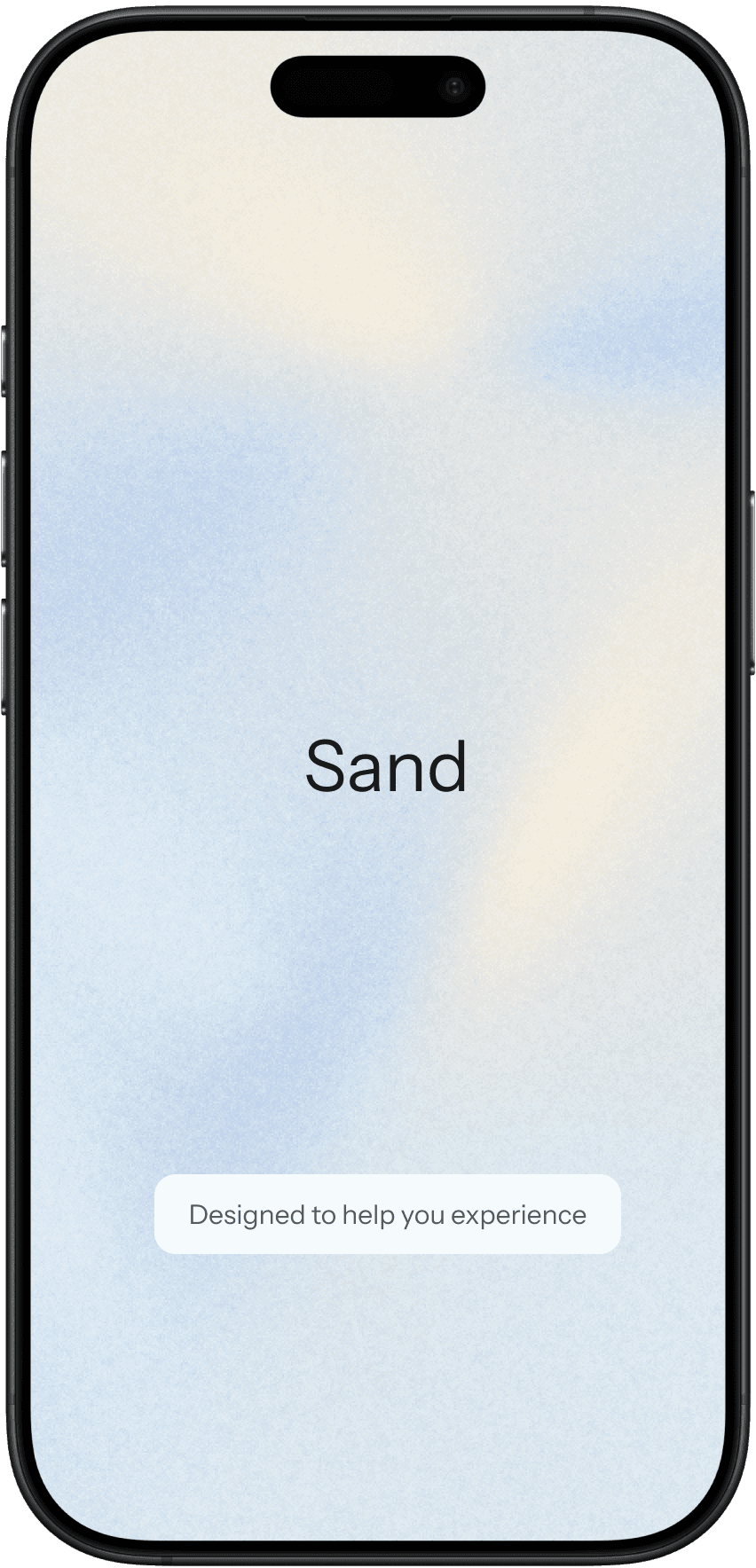
Sand, a wearable and app concept that adjusts to your focus and rest without asking for your attention.
Task:

“Identify something intangible, invisible, or previously unmeasurable about the human sensory experience and design a speculative tool to track and influence it.”
“This tool should be designed to support a wellness goal or behavioral change for an individual or a group.”
- Figbuild 2026 design prompt
Ideation:
This contest took place during one of the busiest times of the year. So naturally, out of procrastination stress, I took a little scroll break...and quickly realized that my 10 minute brain-rot session had turned into 2 hours.
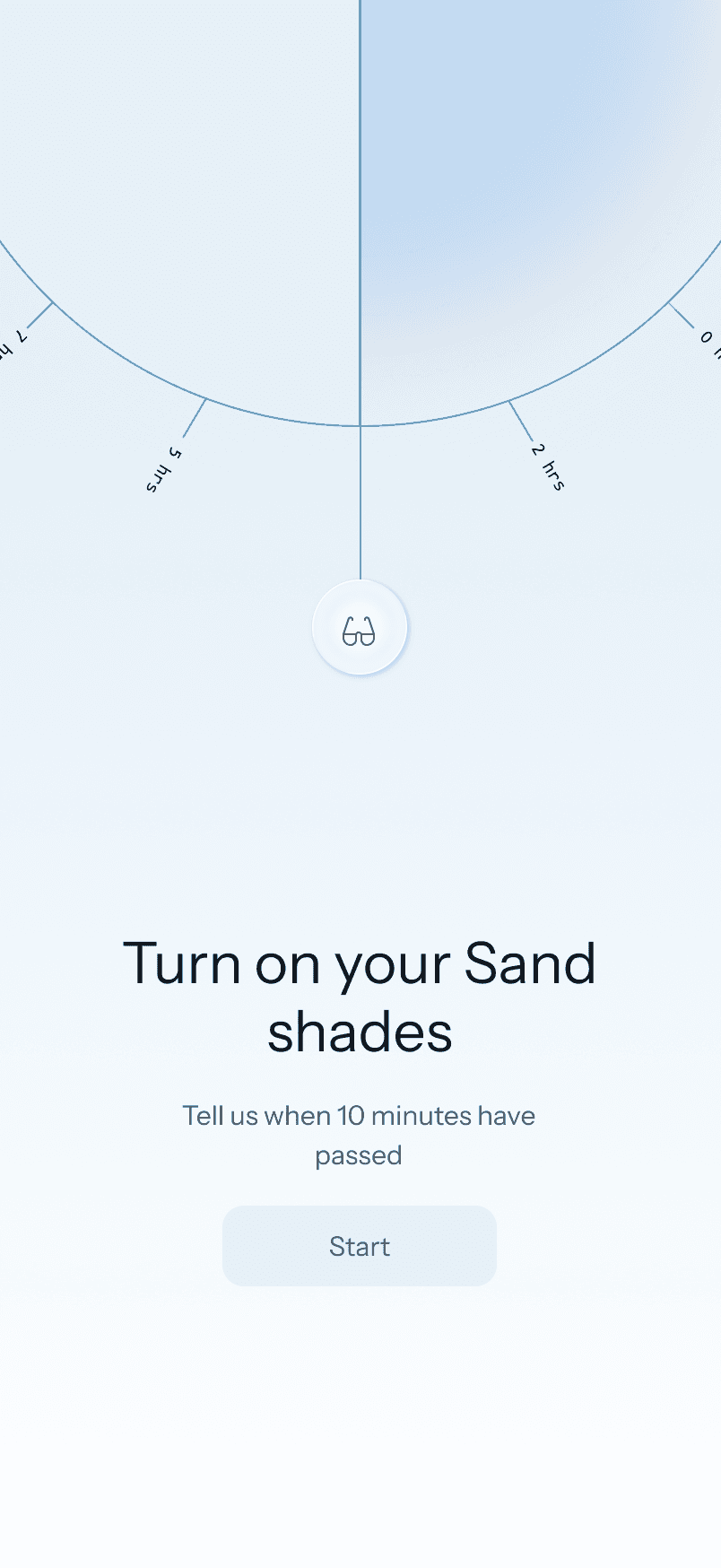
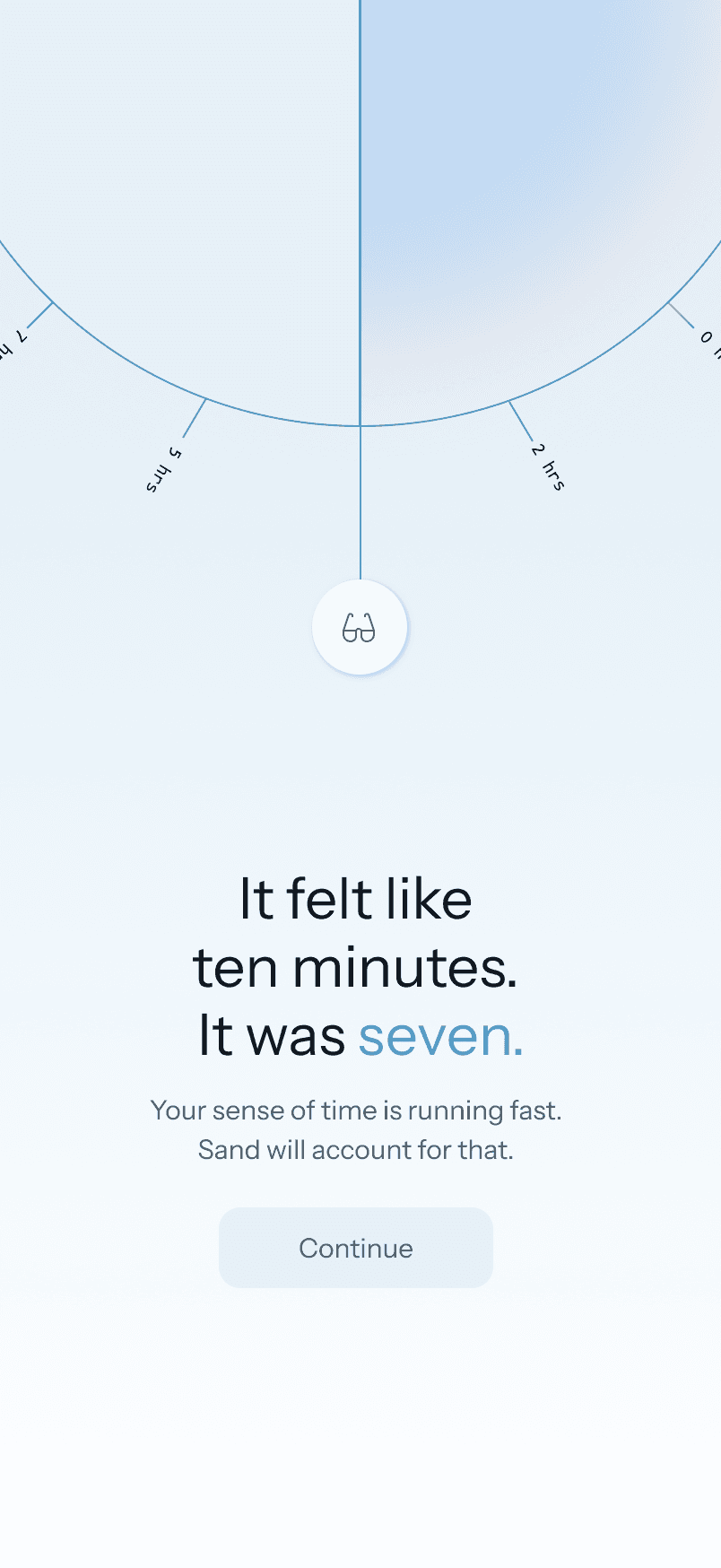
It begged the question - how can 2 hours feel like 10 minutes? This phenomenon has a name...
def.
Chronoception:
Our subjective perception of time

Research
How does Gen-Z experience time?
This question guided our exploration into chronoception, a seemingly imperceptible sense.
Brain

While humans possess no dedicated sensory organ for time, the brain integrates a variety of endogenous and sensory inputs to create a temporal sense.
Time Blindness

A 2022 study on college students found that 47.1% underestimated how long their selected tasks would take, and 31.9% of students overestimated the time required.
Environment

Chronic time pressure is a leading predictor of depression, anxiety, and stress, made worse by a 24/7 economy that deprioritizes sleep and rest.
User Research: Survey Results
Time Blindness

Students consistently underestimate how long tasks will take, often losing hours without realizing it. Without external cues, time slips — and rest gets sacrificed as a result.
Body Signal
Disconnect

When focused or distracted by screens, students stop registering physical needs like hunger, fatigue, and sleep. By the time they notice, the damage is already done.
Core Philosophy
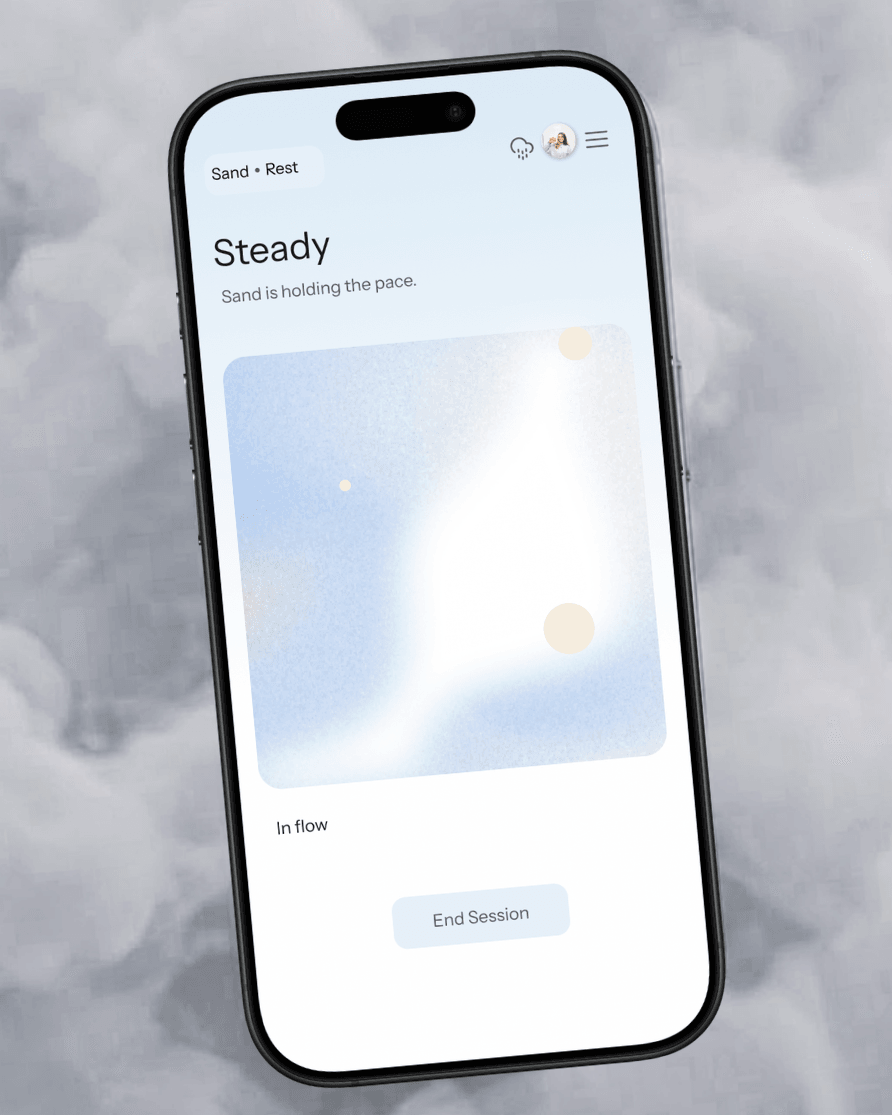
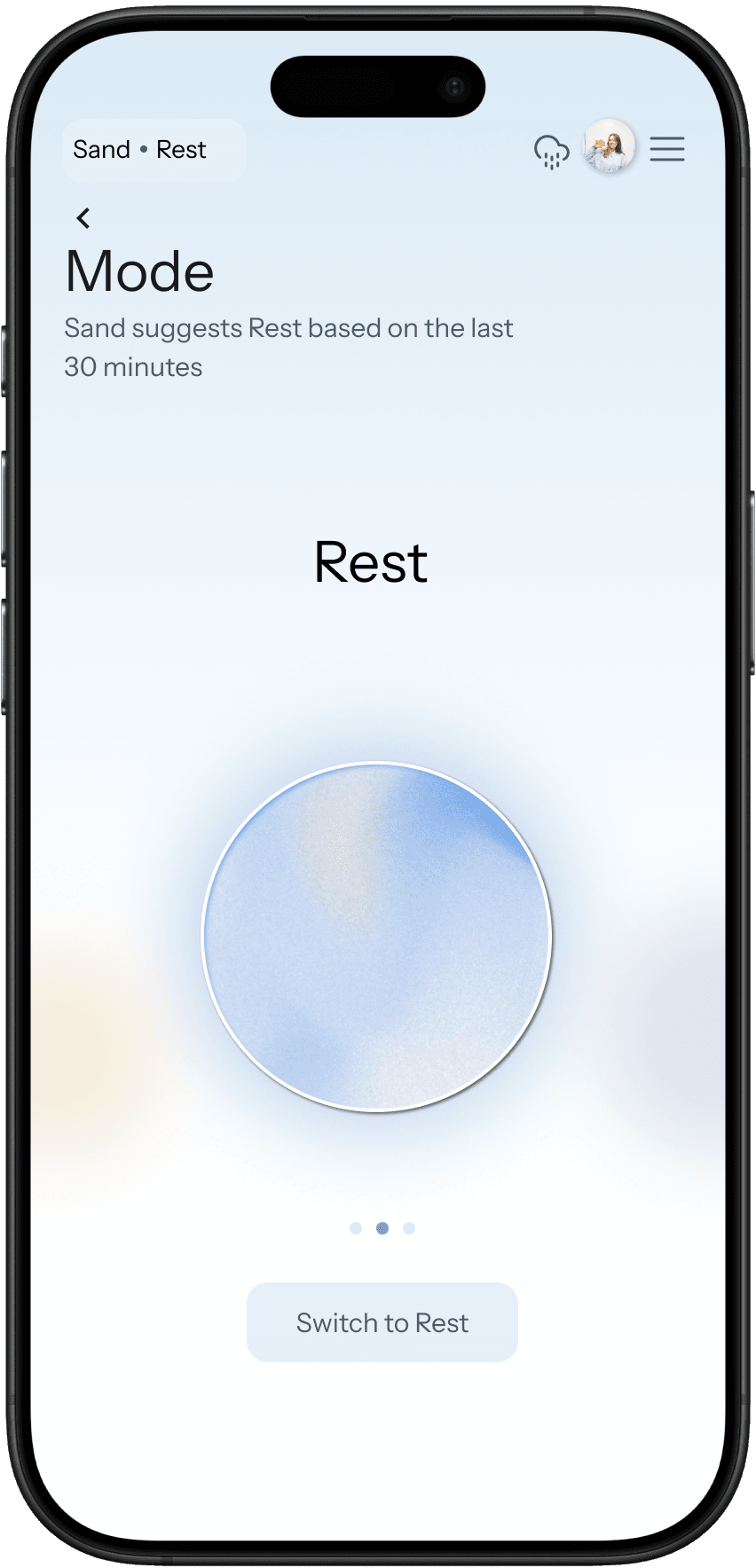
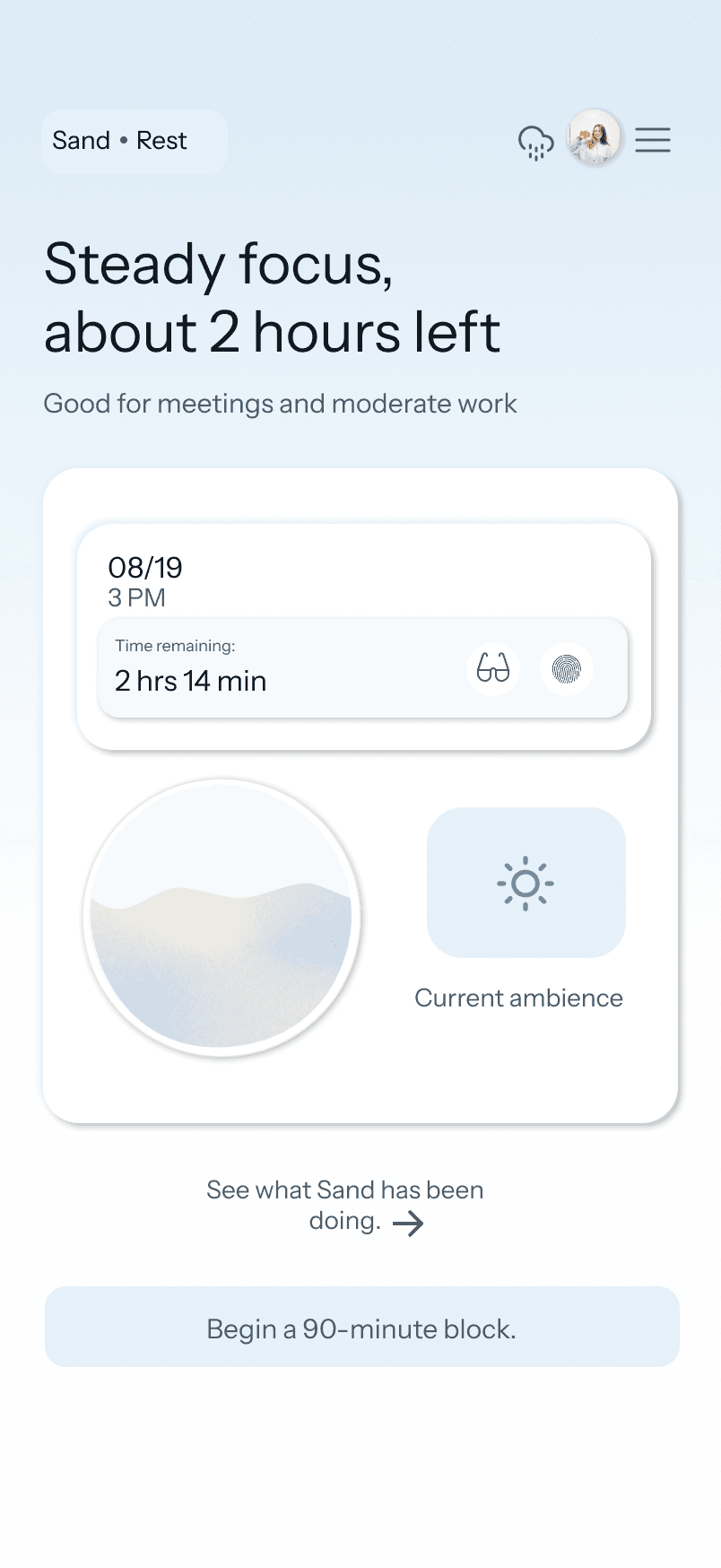
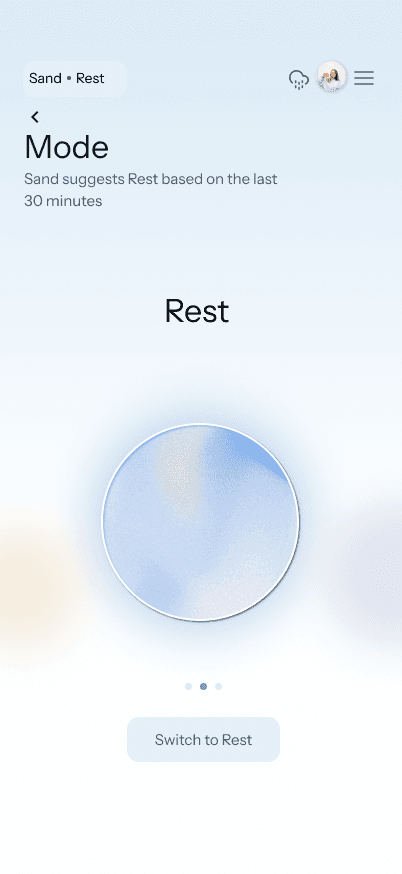
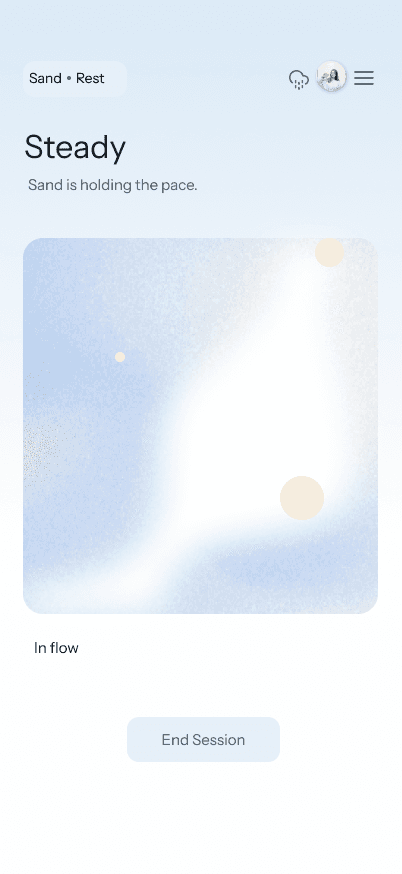
We wanted Sand to integrate easily into your day - i.e, changes modes on its own. That single decision drove everything else about the design.
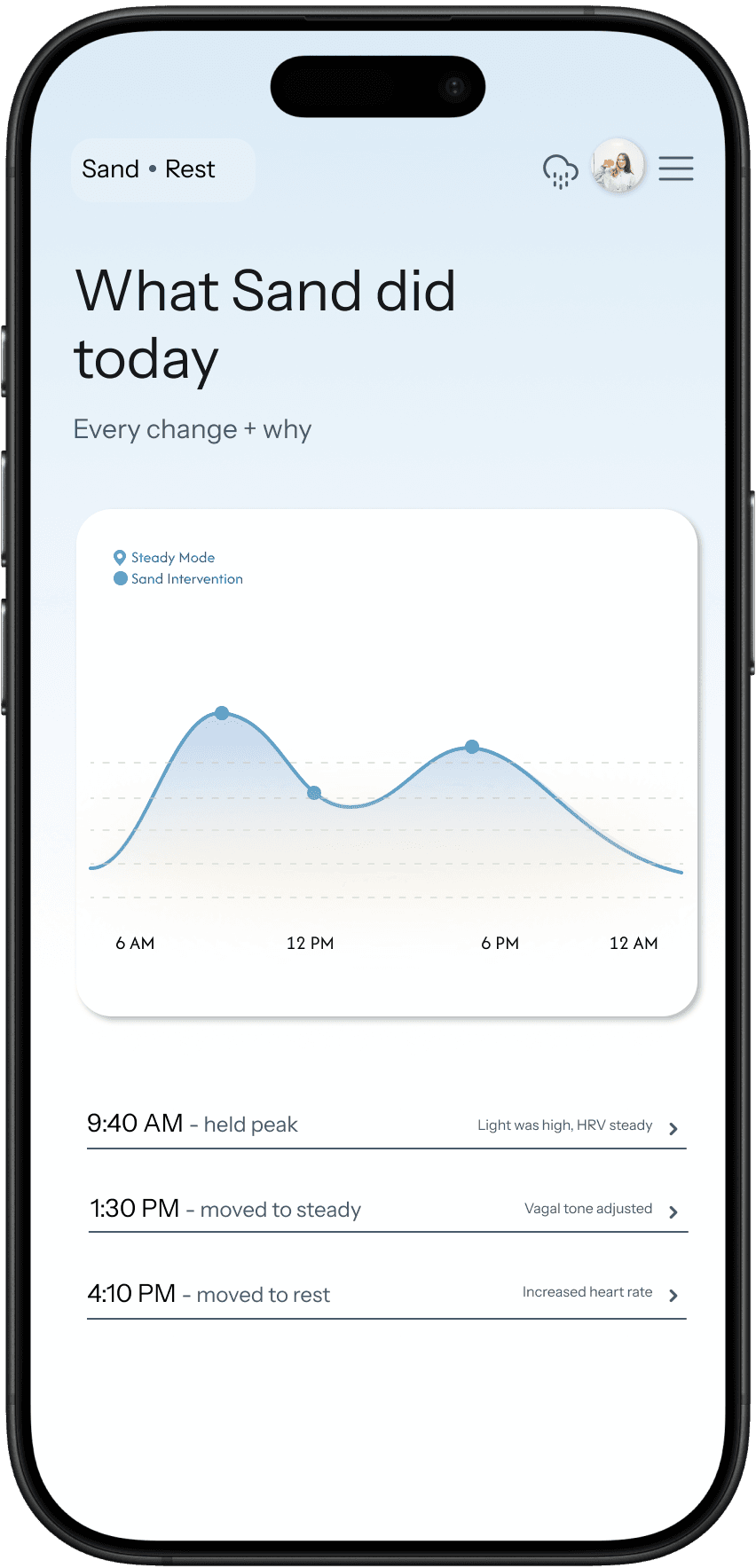
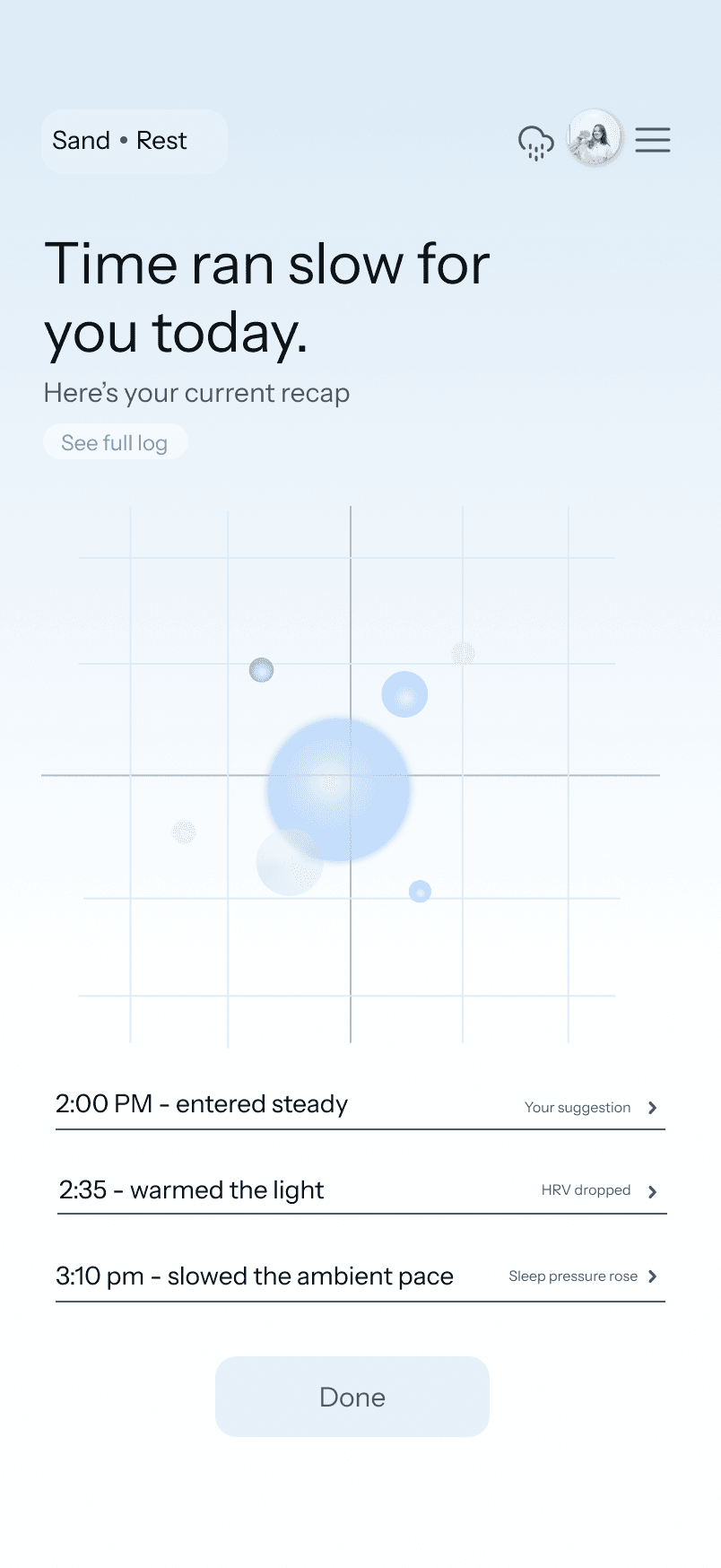
If the system is already reading your state and adjusting your environment in the moment, it shouldn't also be asking for your attention while it does it. So Sand stays ambient: it works in the background, dimming what's around you when focus drops, easing you toward rest when the signals say so.
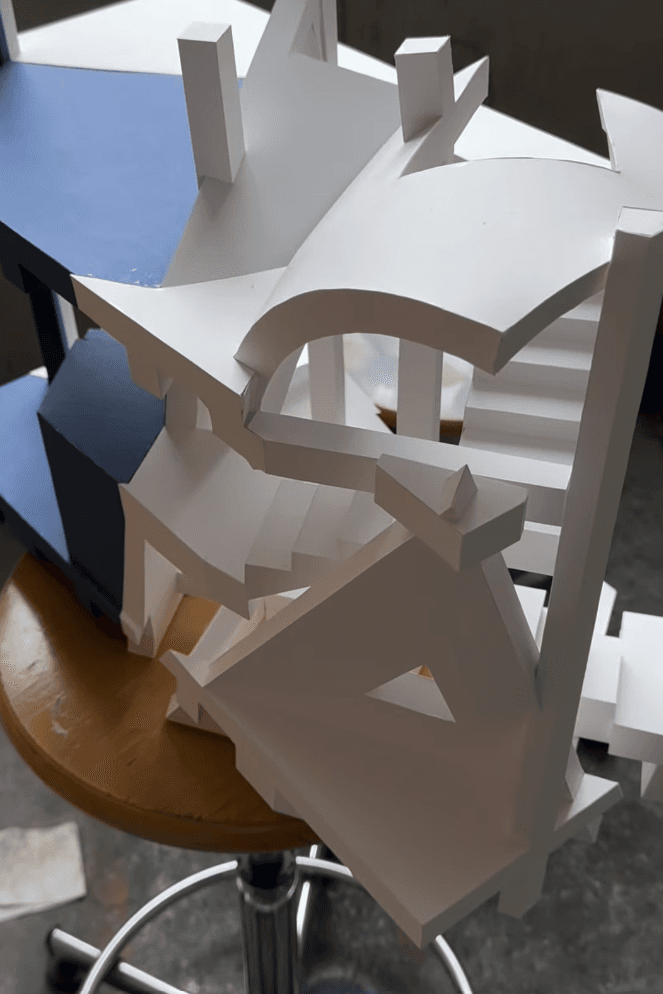

That made the usual output unnecessary. A readiness score is what a device gives you when it can't do anything itself. If the system can act in the moment, the number has nothing left to accomplish — except to teach you to check the score instead of checking how you feel.
DATA C104, a Berkeley ethics-of-data course our team took together, gave us the language for why that matters: measurements turn into labels, and labels start shaping the person they were meant to describe.
After synthesizing all our of metrics that contribute to chronoception...
Heart Rate Variability
Light
Suprachiasmatic Nucleus Cycle (SCN)
Sleep Pressure
Haptic Entrainment
Vagal Tone
we decided to develop a wearables ecosystem.
DESIGN
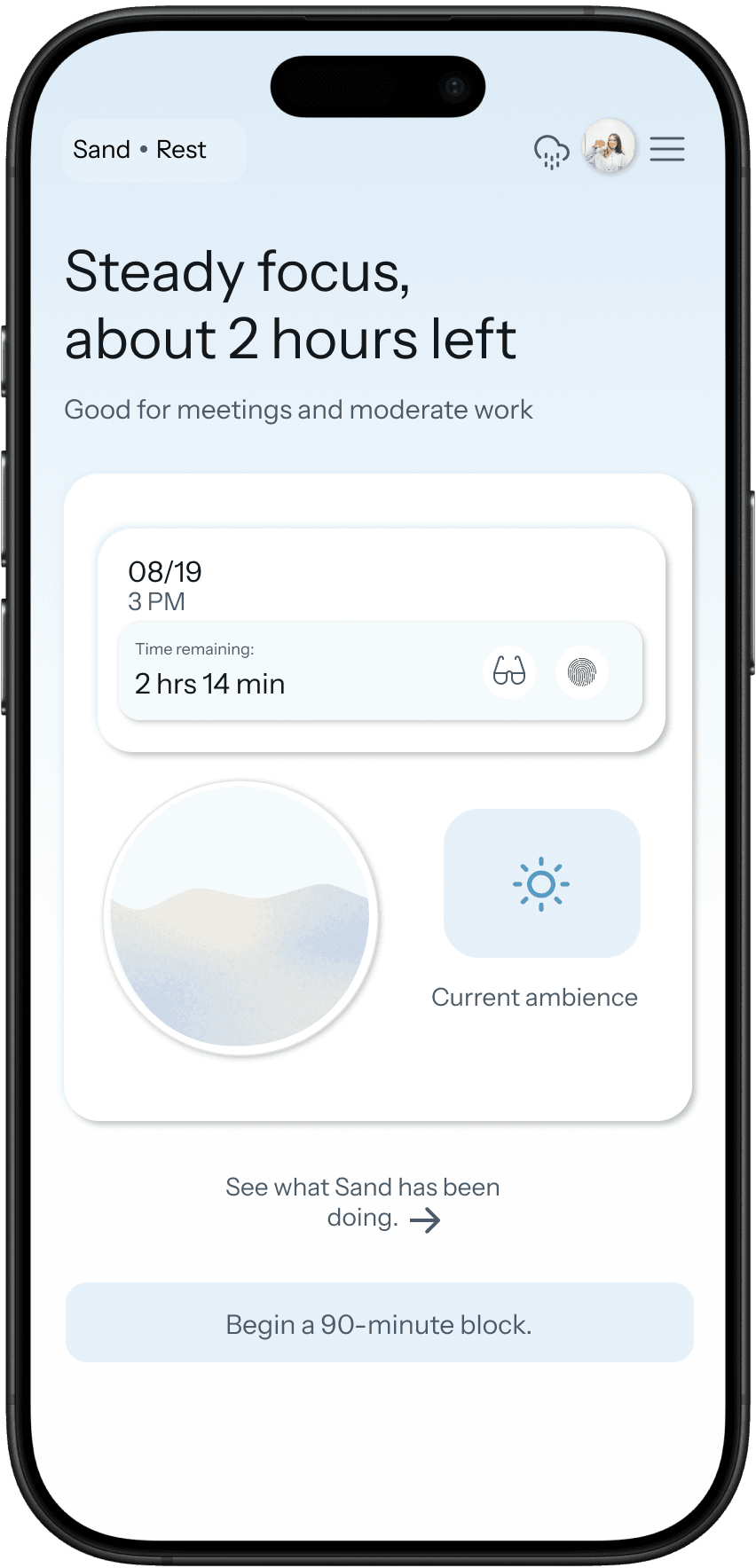
Navigation Overview
DESIGN
Onboarding
DESIGN
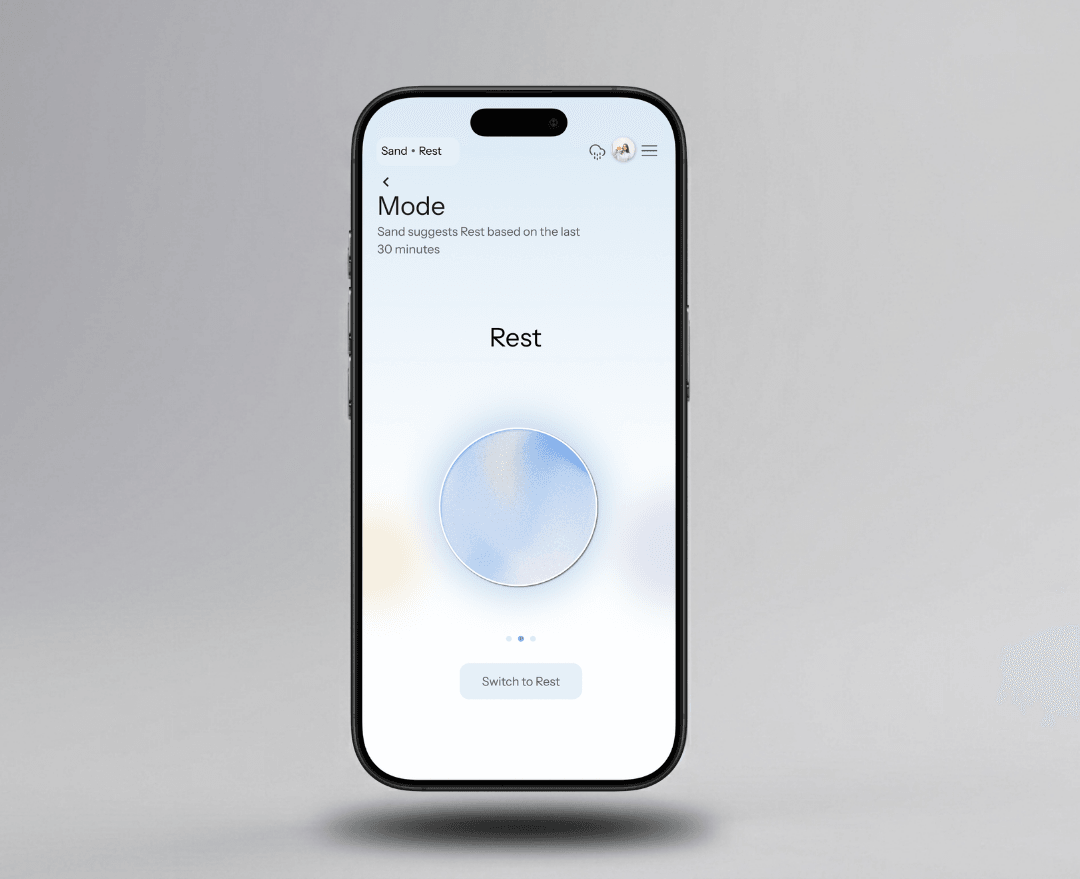
Sand Switch Modes
THESIS
Mist Mode
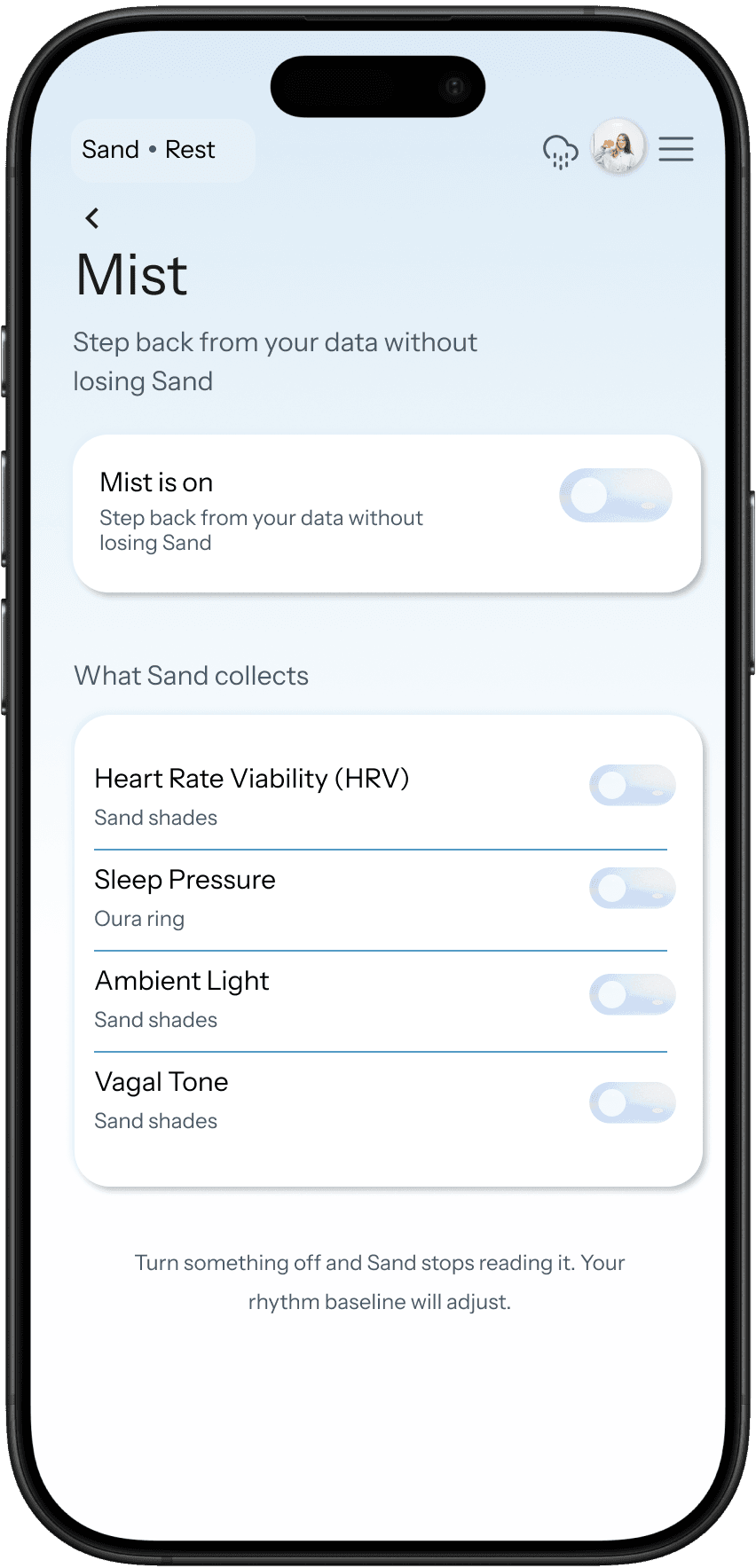
Sand is always reading you: HRV, sleep pressure, ambient light, vagal tone, some from the ring and some from the shades. Mist is the screen where you get to see that list and turn pieces of it off. Turning something off doesn't mean Sand stops showing it to you. It means Sand stops reading it. The baseline adjusts and the app keeps working with less. You can step back from your data without giving up the thing.